If you’re new to scrap metal recycling, the terms “ferrous” and “non-ferrous” might sound like technical jargon. However, understanding the difference between these two categories is the most important lesson for anyone looking to make money or recycle responsibly. It’s the key to sorting your materials correctly, understanding their value, and ensuring you get the best possible price at the scrap yard.
Think of it as the first rule of recycling: not all metals are created equal. Some are magnetic, some are not. Some are common and heavy, while others are lightweight and more valuable. This guide will break down everything you need to know about ferrous and non-ferrous metals, making you a smarter and more efficient recycler.
What Are Ferrous Metals?
The defining characteristic of a ferrous metal is simple: it contains iron. The word “ferrous” itself is derived from the Latin word for iron, “ferrum.” Because they contain iron, ferrous metals are known for their strength, durability, and magnetic properties.
This magnetic quality is the easiest way to identify them. If you hold a magnet to a piece of metal and it sticks, you almost certainly have a ferrous metal on your hands. These metals are the most recycled materials on the planet, largely due to their widespread use in construction, manufacturing, and consumer goods.
Common Examples of Ferrous Metals:
- Steel: An alloy of iron and carbon, steel is everywhere. You can find it in cars, appliances like refrigerators and washing machines, building structures, and soup cans.
- Stainless Steel: While it contains iron, stainless steel is also mixed with chromium, which makes it resistant to rust. It’s often found in kitchen sinks, high-end appliances, and medical equipment. Note that some grades of stainless steel are not magnetic, but they are still classified as ferrous.
- Cast Iron: Heavy and brittle, cast iron is used for things like engine blocks, frying pans, and old pipes or radiators.
- Wrought Iron: Less common today, wrought iron was historically used for gates, fences, and outdoor furniture due to its strength and malleability.
Properties of Ferrous Metals:
- Magnetic: This is their most tell-tale feature.
- High Tensile Strength: They are strong and can withstand a lot of stress.
- Prone to Rust: With the exception of stainless steel, most ferrous metals will corrode or rust when exposed to moisture.
- Heavy and Dense: They are typically heavier than non-ferrous metals.
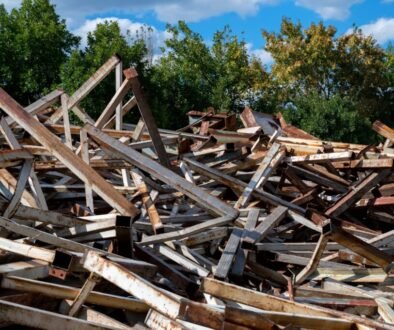
Because they are so common, ferrous metals generally have a lower price per pound at the scrap yard compared to non-ferrous metals. However, their sheer weight often makes up for the lower value. A truckload of steel from a demolition project can be quite valuable.
What Are Non-Ferrous Metals?
As you might have guessed, non-ferrous metals are metals that do not contain a significant amount of iron. This means they are not magnetic. They are also generally more resistant to rust and corrosion, making them ideal for applications where durability against the elements is important.
While they make up a smaller percentage of the total scrap recycled by weight, non-ferrous metals are highly valuable. Their unique properties make them essential for everything from electronics to plumbing. This high demand, combined with their relative scarcity compared to iron, gives them a much higher price per pound.
Common Examples of Non-Ferrous Metals:
- Aluminum: Lightweight, rust-resistant, and a great conductor of electricity. Found in soda cans, window frames, bicycle frames, and car rims.
- Copper: Highly valuable due to its excellent electrical conductivity. It’s the primary metal in electrical wires, plumbing pipes, and motors. It has a distinct reddish-brown color.
- Brass: An alloy of copper and zinc, brass is known for its gold-like appearance and corrosion resistance. It’s commonly used for plumbing fixtures, keys, and decorative items.
- Lead: A very heavy and soft metal. It’s found in car batteries, old plumbing pipes, and wheel weights.
- Zinc: Often used as a coating for steel (galvanization) to prevent rust. It can also be found in alloys and some types of batteries.
Properties of Non-Ferrous Metals:
- Not Magnetic: A magnet will not stick to them.
- Corrosion Resistant: They do not rust like iron-based metals.
- Lightweight: Many, like aluminum, are much lighter than steel.
- Malleable: They can be easily shaped and formed.
- High Conductivity: Metals like copper and aluminum are excellent at conducting electricity.
Why Does Sorting Ferrous and Non-Ferrous Metals Matter?
Now that you know the difference, you might be wondering why you should bother separating them. The answer comes down to value and efficiency.
1. Maximizing Your Payout
Scrap yards pay for metals by weight and category. Non-ferrous metals like copper and brass are worth significantly more per pound than ferrous metals like steel. If you bring in a mixed bin of unsorted metals, the scrap yard will likely do one of two things:
- Pay you the lowest price (the rate for ferrous metal) for the entire load.
- Deduct a fee for having to sort the materials themselves.
By separating your metals ahead of time, you ensure you get the proper, higher price for your valuable non-ferrous materials. Taking just a few minutes to sort your metals with a magnet can dramatically increase your earnings. A small pile of copper wire could be worth more than a large pile of steel beams.
2. Streamlining the Recycling Process
The recycling processes for ferrous and non-ferrous metals are different. Ferrous metals are typically shredded and then melted down in large furnaces to create new steel. Non-ferrous metals require different temperatures and techniques to be recycled properly without losing their valuable properties.
When you deliver sorted metals to a recycling facility, you help make this process more efficient. Clean, sorted scrap requires less energy and labor to process, which is better for the environment and helps keep the entire recycling industry sustainable.
3. Identifying and Removing Contaminants
Sorting your metals forces you to inspect each piece. This helps you identify and remove contaminants like plastic, wood, rubber, or excessive dirt. A cleaner load of scrap is more valuable. For example, stripping the plastic insulation from copper wire (known as “bare bright” copper) will fetch a much higher price than leaving the insulation on.
The Magnet Test: Your Most Important Tool
The simplest and most effective way to start sorting is with a magnet. You don’t need anything fancy—even a strong refrigerator magnet will work, though many scrappers carry a more powerful one.
- Get a Magnet: Keep a magnet handy when you are collecting scrap.
- Test Everything: Touch the magnet to every piece of metal you find.
- Create Two Piles:
-
- If the magnet sticks: It’s a ferrous metal. Put it in your steel/iron pile.
- If the magnet does not stick: It’s a non-ferrous metal. Put it in a separate, more valuable pile.
Once you have your non-ferrous pile, you can further sort it by metal type (copper, aluminum, brass) to maximize your payout even more. With a little practice, you’ll start to recognize different metals by their color, weight, and common uses.
Got Metals You’re Ready to Scrap? Come to Second Street Today!
Contact us on our website or call us at (617) 387-1188. We’ll be in touch soon!