Scrap metal can be worth more than many people realize. The most valuable metals to recycle often hide in plain sight, from old copper pipes and brass fixtures to aluminum wheels, stainless steel equipment, and insulated wire.
This guide explains which recyclable metals usually bring the best value, why prices vary, where to find these materials, and how to prepare them before visiting a scrap yard. Whether you are cleaning out a garage, managing debris, or running a business with regular metal waste, smart sorting can help you recycle responsibly and get a better return. Read more below!
Why Some Scrap Metals Are Worth More Than Others
Here’s the key: scrap metal value depends on demand, purity, weight, and how easy the material is to process. Some metals, like copper, are highly conductive and widely used, so recyclers and manufacturers often pay more for them.
Metal prices also move with market conditions. A material that is worth more this month may shift later based on manufacturing demand, supply levels, transportation costs, and global commodity pricing.
For example, clean copper tubing usually brings more than mixed metal from an old appliance because it is easier to identify, process, and resell. The less work a recycling facility has to do to separate, clean, or prepare the material, the more valuable it may be.
Actionable takeaway: Before recycling, separate metals by type whenever possible. Clean, sorted metals are usually easier to grade and may receive a better price than mixed scrap.
The Most Valuable Metals to Recycle
The most valuable metals to recycle are usually non-ferrous metals. These metals do not contain iron, which means they typically do not rust and often have higher market value.
A simple magnet test can help you begin sorting. If a magnet sticks, the metal is likely ferrous, such as steel or iron. If it does not stick, it may be a non-ferrous metal like copper, brass, aluminum, or stainless steel.
Copper
Copper is one of the highest-value scrap metals because it conducts electricity and heat extremely well. It is used in plumbing, electrical systems, HVAC equipment, motors, and many industrial applications.
You can often find copper in:
- Plumbing pipes and fittings
- Electrical wire
- Extension cords and cables
- Air conditioning units
- Motors and transformers
- Roofing materials and gutters
Clean copper is typically worth more than copper mixed with insulation, solder, paint, or other materials. For instance, bare bright copper wire is usually more valuable than insulated copper wire because it requires less processing.
In practice, a homeowner replacing old copper plumbing may have a small amount of valuable scrap. A contractor, electrician, or demolition crew may collect copper in larger volumes, making proper sorting even more important.
Actionable takeaway: Keep clean copper pipe, bare copper wire, and insulated wire in separate containers. Do not mix copper with steel, plastic, or general debris.
Brass
Brass is a copper and zinc alloy, and it often has strong recycling value. It is durable, corrosion-resistant, and common in plumbing, hardware, and decorative items.
Common sources of brass include:
- Faucets and plumbing valves
- Door handles and hinges
- Keys and lock parts
- Light fixtures
- Radiator components
- Musical instruments
- Decorative hardware
Brass is often yellow or gold in color, but it can look dull or tarnished over time. It is heavier than aluminum and does not usually attract a magnet.
For example, a bathroom remodel may produce brass faucets, shut-off valves, and fittings. Instead of tossing them into a general dumpster, separating brass can help recover more value from the project.
Actionable takeaway: Remove plastic handles, rubber washers, and steel screws from brass fixtures when possible. Cleaner brass is easier to grade.
Aluminum
Aluminum is lightweight, common, and highly recyclable. While it is usually worth less per pound than copper or brass, it can add up quickly because it appears in so many household, commercial, and industrial items.
You can find aluminum in:
- Beverage cans
- Window and door frames
- Siding and gutters
- Car wheels and rims
- Patio furniture
- Ladders
- Sheet metal
- Storm doors
- Some appliance parts
Aluminum comes in different grades. Clean aluminum, aluminum wheels, and aluminum extrusion may be priced differently. Painted, coated, or mixed aluminum may have a lower value.
So why it matters: a business replacing aluminum storefront frames may generate a large volume of recyclable material. A homeowner may collect smaller amounts through cans, old lawn furniture, or home improvement scraps.
Actionable takeaway: Separate aluminum cans from heavier aluminum items like rims, frames, and siding. If possible, remove glass, rubber, screws, and plastic attachments.
Stainless Steel
Stainless steel contains iron, chromium, and often nickel. It resists corrosion, which makes it useful in kitchens, restaurants, hospitals, manufacturing facilities, and construction.
Common stainless steel scrap includes:
- Commercial kitchen equipment
- Sinks and countertops
- Restaurant prep tables
- Appliances
- Food processing equipment
- Industrial tanks
- Railings and fixtures
- Some automotive parts
Not all stainless steel has the same value. Grades with higher nickel content often bring better prices. A scrap yard can help identify the grade if you are unsure.
For example, a restaurant upgrading its kitchen may have stainless steel tables, sinks, shelving, or equipment panels. Keeping these items separate from regular steel can make a big difference.
Actionable takeaway: Do not assume all silver-colored metal is stainless steel. Use a magnet as a first check, then ask your recycler to help confirm the grade.
Lead
Lead can have recycling value, but it must be handled with care due to health and environmental risks. It is dense, soft, and commonly found in older materials.
Lead may be found in:
- Old pipes
- Wheel weights
- Roofing materials
- Lead flashing
- Batteries
- Ballast weights
- Radiation shielding
Because lead can be hazardous, responsible recycling matters. Never cut, burn, or grind lead-containing materials without proper safety controls. Businesses should follow all applicable handling and disposal rules.
A common example is old lead wheel weights from automotive work. These should not go into regular trash when a recycling option is available.
Actionable takeaway: Store lead scrap safely and away from children, pets, soil, and water. Contact your local scrap metal recycler before bringing it in to confirm accepted materials and handling requirements.
Steel and Iron
Steel and iron are ferrous metals, so they are usually worth less per pound than copper, brass, or aluminum. Still, they are among the most recycled materials because they are common and often available in large quantities.
You can find steel and iron in:
- Appliances
- Structural beams
- Rebar
- Machinery
- Car parts
- Filing cabinets
- Shelving
- Tools
- Fencing
- Pipes
The trade-off is simple: steel may have a lower price per pound, but large loads can still be worthwhile. Contractors, manufacturers, farms, auto shops, and warehouses often generate enough steel scrap to make recycling efficient.
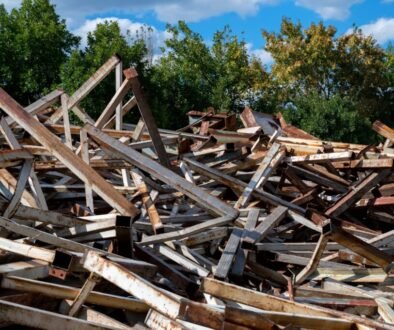
For example, a demolition site may produce tons of steel beams, ductwork, and metal framing. Even at a lower per-pound rate, the total return can be meaningful.
Actionable takeaway: Use a magnet to separate ferrous metals from non-ferrous metals. Keep heavy steel loads organized and free from trash, wood, concrete, and excess dirt.
Electric Motors, Wire, and E-Scrap
Some valuable recyclable materials are not pure metal at first glance. Electric motors, insulated wire, transformers, and certain electronic components may contain copper, aluminum, steel, and other recoverable metals.
Common sources include:
- Ceiling fans
- Power tools
- Pumps
- Compressors
- Electric motors
- Computer components
- Cords and cables
- Transformers
- Small appliances
These items may be priced differently than clean metal because they require extra processing. Still, they can be worth recycling instead of sending to a landfill.
For businesses, this category is especially important. Maintenance departments, electricians, HVAC companies, and manufacturers often collect motors and wire as part of daily operations.
Actionable takeaway: Keep insulated wire, motors, and electronic scrap separate from regular mixed metal. Ask your recycler how they grade these materials before stripping, cutting, or disassembling them.
Where Homeowners and Businesses Commonly Find Valuable Scrap
Valuable scrap metal often comes from repairs, renovations, cleanouts, equipment upgrades, and routine maintenance. You do not need to be in the scrap business to find recyclable metal worth saving.
Homeowners often find metal during garage cleanouts, kitchen remodels, plumbing repairs, or appliance replacement. Businesses may generate scrap through construction, manufacturing, facility maintenance, automotive work, or equipment removal.
Common Home Sources
Around the house, look for old fixtures, pipes, wires, tools, furniture, and appliances. Many items that seem like junk contain recyclable metal.
Examples include:
- Old copper plumbing
- Brass faucets and valves
- Aluminum patio furniture
- Stainless steel sinks
- Extension cords
- Broken appliances
- Metal shelving
- Lawn equipment parts
Before recycling appliances, check whether they contain refrigerants, oil, or other materials that need special handling. Air conditioners, refrigerators, and freezers often require extra care.
Actionable takeaway: Set up separate bins or boxes labeled copper, brass, aluminum, stainless steel, and steel during a cleanout. Sorting as you go saves time later.
Common Business Sources
Businesses often generate higher volumes of scrap, which makes organization even more valuable. A simple recycling plan can reduce waste, improve cleanup, and create a return from materials that might otherwise be discarded.
Common commercial and industrial sources include:
- Construction offcuts
- Electrical wire and conduit
- Plumbing scrap
- HVAC units
- Metal pallets and racks
- Manufacturing remnants
- Stainless steel equipment
- Auto parts
- Machinery
- Demolition debris
For example, an HVAC company may collect copper tubing, aluminum coils, motors, compressors, and steel housings from old units. Keeping those materials separated can help streamline recycling.
Actionable takeaway: Create a scrap collection area at your shop or jobsite. Use labeled containers and train employees to separate high-value metals from general waste.
Ready to Recycle Your Metals? Come to Second Street Today!
Contact us on our website or call us at (617) 387-1188.