Scrap metal does not disappear once it leaves your garage, job site, or factory. It begins a new life. That old aluminum can, broken appliance, or pile of copper wire goes through a detailed process that turns waste into useful raw material again.
In this post, you’ll see what happens to scrap metal after it’s recycled, step by step. We’ll cover collection, sorting, processing, melting, purification, and manufacturing. We’ll also look at the environmental and economic benefits that make scrap metal recycling so valuable.
Why Scrap Metal Recycling Matters
Metal is one of the few materials that can be recycled again and again without losing many of its core properties. Steel, aluminum, copper, brass, and other metals can be reused in new products instead of being thrown away.
That creates two big wins.
First, it reduces waste. Scrap metal that gets recycled stays out of landfills and avoids taking up space for decades.
Second, it saves resources. Making metal from recycled material usually takes far less energy than making it from raw ore. For example, recycled aluminum uses far less energy than producing aluminum from bauxite ore, which is one reason aluminum recycling is so important.
The Journey Starts With Collection
The first step in the journey of recycled scrap metal is collection. Scrap metal comes from many places, not just junkyards.
Common sources include:
- Homes and apartments
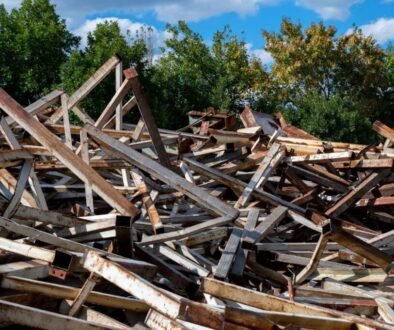
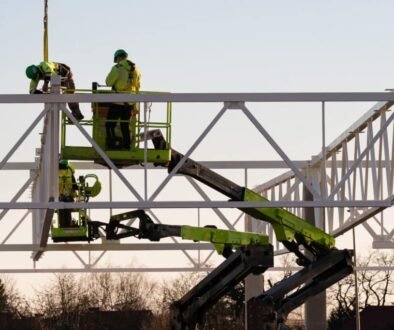
- Construction and demolition sites
- Auto repair shops
- Manufacturing plants
- Farms and industrial facilities
- Old vehicles and machinery
- Appliances, wiring, pipes, and tools
Some people bring metal to a recycling yard themselves. Businesses may schedule pickups for larger loads. Construction crews often separate metal from other debris during demolition so it can be sent for recycling instead of disposal.
At this stage, the metal may be mixed, dirty, bent, rusted, or attached to other materials. It does not look ready for reuse yet, but that changes quickly once it reaches a recycling facility.
Initial Inspection and Weighing
When scrap metal arrives at a recycling center, it is usually inspected and weighed first. This step helps the facility identify what kind of material came in and how much of it there is.
For sellers, the weight often determines payment. For recyclers, it helps track inventory and plan processing.
Workers may also do a quick visual check for:
- Contaminants
- Hazardous materials
- Non-metal attachments
- Sealed containers
- Items that need special handling
Safety matters here. Pressurized tanks, batteries, and certain electronic parts may need separate treatment before the metal can move deeper into the recycling stream.
Sorting: Separating Metals by Type
Sorting is one of the most important steps in the scrap metal recycling process. Different metals have different properties, melting points, and market values. If they are mixed together, they can lower the quality of the final product.
Ferrous vs. non-ferrous metals
The first major split is usually between ferrous and non-ferrous metals.
Ferrous metals contain iron. These include:
- Steel
- Cast iron
Non-ferrous metals do not contain significant iron. These include:
- Aluminum
- Copper
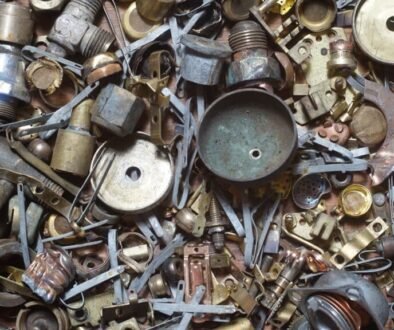
- Brass
- Zinc
- Lead
- Stainless steel in some processing categories
- Nickel
Ferrous metals are often separated with large magnets. Since iron and steel are magnetic, this is a fast and efficient way to sort them from non-ferrous materials.
Advanced sorting methods
Modern recycling facilities often use more than just magnets. They may also use:
- Sensors
- Conveyor systems
- Air separation
- Optical sorting
- Eddy current separators for non-ferrous metals
- Hand sorting for quality control
These systems help recyclers identify metals by size, weight, density, and conductivity. Copper, aluminum, and brass may look similar to the untrained eye, but they must be separated carefully to keep recycled material clean and marketable.
Cleaning and Removing Contaminants
After sorting, scrap metal often needs cleaning. This step removes anything that could interfere with melting or lower the value of the material.
Common contaminants include:
- Plastic
- Rubber
- Glass
- Wood
- Paint
- Oil and grease
- Insulation
- Dirt and dust
For example, copper wire may need to be stripped of insulation. Steel from a demolition project may need concrete or drywall removed. Used auto parts may need fluids drained before further processing.
Clean scrap is more efficient to recycle. It also produces a better end product.
Processing: Cutting, Crushing, and Shredding
Once the metal is sorted and cleaned, it moves into processing. At this stage, recyclers prepare the metal for transport, melting, and manufacturing.
The form of processing depends on the type of metal and how it arrived at the facility.
Common processing methods
Shredding
Large machines shred metal into smaller pieces. This speeds up melting and makes handling easier. Shredding is common for cars, appliances, and mixed metal loads.
Crushing
Some scrap is crushed into compact shapes. This helps reduce storage space and lowers transportation costs.
Shearing
Metal sheets, pipes, and beams may be cut into smaller lengths with industrial shears. This makes them easier to move and feed into furnaces.
Baling
Light scrap, such as aluminum cans or thin sheet metal, may be compressed into dense bales for shipping and storage.
Processing makes the next stage much more efficient. Smaller, cleaner, separated metal melts faster and more evenly than large mixed scrap.
Melting: Turning Scrap Into Raw Material Again
After processing, the scrap metal is sent to a furnace or smelter. This is the stage where the transformation becomes obvious.
Each metal type is melted separately because each one has a different melting point and different handling needs. Steel, aluminum, and copper all require different temperatures and equipment.
Large recycling operations use specialized furnaces designed for specific metals. These systems are built to handle volume while controlling temperature and emissions.
Why melting matters
Melting turns irregular scrap into a reusable liquid metal. Once the material is molten, it can be refined, shaped, and cast into new forms for manufacturing.
This step is where scrap stops being “waste” and starts becoming raw material again.
Purification: Improving Quality
Molten metal still needs refining before it can become a reliable product. During purification, recyclers remove unwanted elements and improve consistency.
This can involve:
- Chemical treatment
- Electrolysis for certain metals
- Skimming off impurities
- Alloy adjustment
- Quality testing
Purification is important because manufacturers need metal that meets exact standards. A car part, steel beam, or food can requires predictable strength, composition, and performance.
If recycled metal is properly purified, it can perform just like newly produced metal in many applications.
Solidifying and Forming New Metal Products
Once the recycled metal is purified, it is poured into molds or cast into standard shapes. These forms are easier for manufacturers to buy, transport, and use.
Common forms include:
- Ingots
- Billets
- Bars
- Sheets
- Slabs
- Rods
- Coils
At this point, the material is no longer loose scrap. It has become a usable industrial input that can move into the wider manufacturing economy.
Manufacturing: Where Recycled Metal Gets a New Life
The next stop is manufacturing. Recycled metal is used in a huge range of products, many of which people use every day without realizing they began as scrap.
Industries that rely on recycled metal include:
- Construction
- Automotive
- Aerospace
- Packaging
- Electronics
- Appliances
- Infrastructure
- Consumer goods
Examples of new products made from recycled metal
Recycled metal can become:
- New aluminum cans
- Car frames and parts
- Steel beams
- Copper wiring
- Pipes and plumbing parts
- Roofing materials
- Machinery
- Home appliances
- Metal furniture
An old car door may become part of a new vehicle. A used beverage can may return to a store shelf as another can. Demolition steel from one building may help form the structure of another.
That loop is the heart of recycling.
Ready to Start Recycling Your Scraps? Head on Down to Second Street Today!
Contact us on our website or call us at 617) 387-1188.