Clearing out a garage full of old pipes, appliances, or a rusted car battery can feel like a chore. But that pile of metal sitting in the corner is worth more than you might think — both to your wallet and to the environment. If you’ve never recycled scrap metal before, the process is far less intimidating than it seems, and a little know-how goes a long way toward turning clutter into cash.
At Second Street Iron & Metal Co., Inc., we’ve spent four generations helping homeowners and businesses across Greater Boston recycle responsibly. Here’s everything a first-time visitor needs to know before making the trip to our Everett yard. Read more below!
What Counts as Scrap Metal?
Scrap metal generally falls into two categories: ferrous and non-ferrous. Ferrous metals, like steel and cast iron, contain iron and are magnetic. Non-ferrous metals, such as copper, aluminum, and brass, don’t attract a magnet but often carry a higher resale value. If you’re unsure which pile your old radiator or car part belongs in, a simple magnet test at home can help you sort before you ever leave the driveway.
Here are some common examples of each:
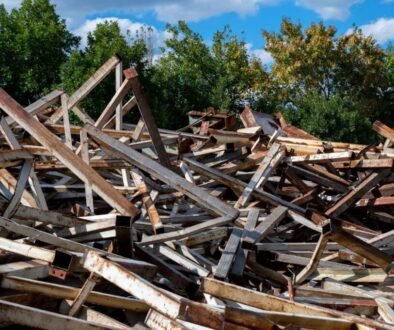
Ferrous metals you might have at home: Old appliances (washers, dryers, refrigerators), steel beams or rebar from renovation projects, cast iron cookware or radiators, scrap car bodies and auto parts, rotors and drums.
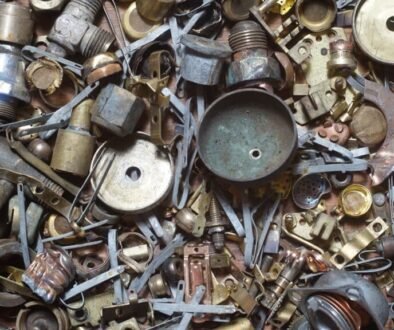
Non-ferrous metals that often hold higher value: copper pipes and wiring, aluminum siding, cans, or window frames, brass fixtures and fittings, stainless steel sinks or cookware, lead pipes or batteries.
Not sure if something qualifies? Don’t worry — our team will evaluate your load when you arrive and let you know exactly what you’ve brought in.
How to Prepare Before You Arrive
A little preparation goes a long way and can actually increase your payout. Here are a few tips to get ready before your visit:
Sort your metals
Keep ferrous and non-ferrous materials separate if you can. Mixed loads can receive a lower price since they require additional sorting on our end.
Remove non-metal materials
Plastic casings, rubber insulation, and other attachments can reduce the value of a load. Strip what you reasonably can before coming in.
Check your vehicle’s car requirements
If you’re scrapping a vehicle, fuel tanks must be removed and all fluids drained before we can accept it. Visit our Scrapping Cars FAQ for full details.
Gather any necessary paperwork
For vehicles less than ten years old, a title is required. For older vehicles, a registration document will do. You’ll also need a matching driver’s license.
How Does Dropping Off Scrap Metal Work?
The process at Second Street Iron & Metal is designed to be quick and hassle-free. Once you arrive at 285 Second Street in Everett, our on-site staff will guide you through the entire process, including free testing and evaluation of your load. Heavy items are no problem: our crane and forklift operators are ready to carefully unload bulky pieces so you don’t have to lift a finger.
Here’s what a typical drop-off visit looks like:
Arrive at our yard
Meet with our team
A staff member will assess your load and walk you through what you’ve brought in.
Free evaluation
We test and weigh your metals at no charge.
Unloading assistance
Our crew handles the heavy lifting, including crane and forklift service for large loads.
Same-day payment
Once the evaluation is complete, you receive immediate payment in cash or check — whichever you prefer.
Whether you’re an individual client bringing in a trunk full of copper piping or a business managing a larger haul, our team tailors the experience to fit your needs.
What Determines Scrap Metal Prices?
Scrap metal prices shift with the market, sometimes day to day, so it pays to check current rates before you head out. Second Street Iron & Metal keeps updated ferrous metal and non-ferrous metal pricing posted online, along with a full pricing overview.
A few factors that influence how much you’ll be paid:
Metal type
Non-ferrous metals like copper and brass typically command higher prices than ferrous metals like steel or light iron.
Grade and condition
Clean, sorted metals fetch better rates than mixed or contaminated loads.
Market rates
Global commodity prices fluctuate regularly, so the value of your scrap can vary from week to week.
Weight
Payment is calculated by weight, so larger and heavier loads generally mean a bigger payout.
What Common Household Items Can You Recycle?
You might be surprised by how much recyclable metal is hiding around your home. Some of the most common items people bring to our yard include:
Appliances
Refrigerators, washing machines, dryers, dishwashers, and water heaters all contain recyclable steel.
Plumbing materials
Old copper or brass pipes, valves, and fittings are among the most valuable scrap materials.
Electrical wiring
Copper wire, aluminum BX wire, and Romex cable are all accepted.
Lawn and garden equipment
Old lawn mowers, snow blowers, and hand tools often contain steel and aluminum.
Automotive parts
Rotors, drums, engines, transmissions, and catalytic converters are all welcome.
Construction materials
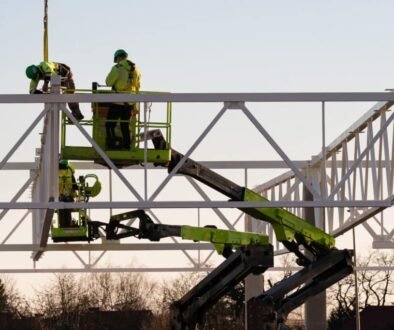
Steel beams, rebar, sheet metal, and structural scrap from renovation projects are readily accepted.
For a full list of what we buy, visit our services page or check our current pricing guide.
Can I Recycle My Old Car?
Yes. Vehicles, car batteries, and catalytic converters are among the most common items people bring in. We’re fully licensed to scrap used vehicles, and we pay based on the actual weight of your car — not its make, model, or condition.
A few things to note before bringing in a vehicle: Fuel tanks must be removed and all fluids drained prior to arrival. Tires and windshields will have their weight deducted from your total. We do not offer pickup services, so you’ll need to arrange towing if the vehicle isn’t drivable.
Our Scrapping Cars FAQ walks through everything from paperwork to payout, so there are no surprises when you arrive.
Why Recycling Scrap Metal Matters
Beyond the financial reward, recycling metal is one of the most effective ways to reduce waste and conserve natural resources. Manufacturing new metal from raw ore requires enormous amounts of energy — recycling steel uses roughly 60% less energy than producing it from scratch, and recycled aluminum requires up to 95% less. Every load you bring in helps reduce the demand for virgin materials, lower carbon emissions, and keep waste out of landfills.
Second Street Iron & Metal is proud to take that responsibility seriously. We collaborate with a specialized science laboratory that tests our drain water regularly and advises on pollution prevention — because being a responsible recycler means caring for our local environment as much as we care for our customers.
Ready to Turn Clutter Into Cash? Visit Second Street Today!
Recycling scrap metal doesn’t have to be complicated, and it shouldn’t be intimidating either. With a little sorting and a trusted local partner, that stack of old metal can become extra cash in your pocket while supporting a more sustainable Greater Boston. When you’re ready to make the trip, contact our team or give us a call at (617) 387-1188.