Metal is all around us. It’s in the cars we drive, the buildings we work in, and the appliances that fill our homes. But not all metal is the same. When it comes to recycling, metals fall into two main categories: ferrous and non-ferrous. Knowing the difference helps you understand what you’re recycling, how much it may be worth, and why it matters for the planet.
What Are Ferrous Metals?
Ferrous metals contain iron. That single ingredient shapes almost everything about how they behave. Because of the iron content, these metals are magnetic, which makes them easy to identify. Grab a magnet from your fridge and hold it against a piece of metal. If it sticks, you’re likely holding a ferrous metal.
There’s one important trade-off, though. Ferrous metals tend to rust when exposed to moisture and air. Over time, that iron reacts with oxygen and forms the reddish-brown corrosion we all recognize. Some ferrous metals get special treatments or coatings to slow this down, but the risk is always there.
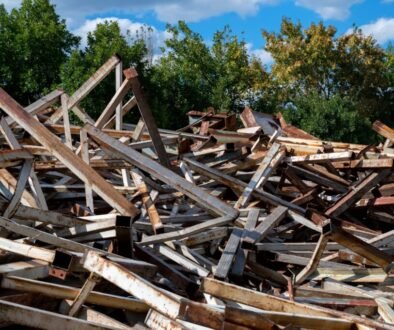
Common examples of ferrous metals include steel, cast iron, wrought iron, and carbon steel.
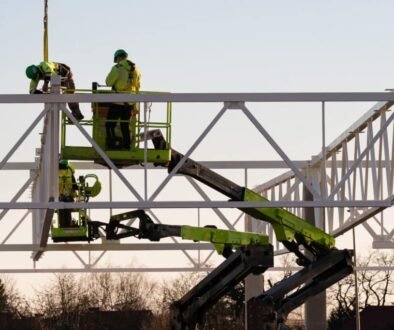
Ferrous metals are known for their strength and durability, which is why they show up in heavy-duty applications like buildings, bridges, and vehicles.
What Are Non-Ferrous Metals?
Non-ferrous metals contain little to no iron. This changes their properties in a few key ways. They are not magnetic, so that same fridge magnet won’t stick. They also resist corrosion far better than ferrous metals, which makes them a smart choice for anything exposed to water or the elements.
Non-ferrous metals are often lighter, more flexible, and highly conductive. Those qualities make them valuable for electrical wiring, plumbing, and countless everyday products.
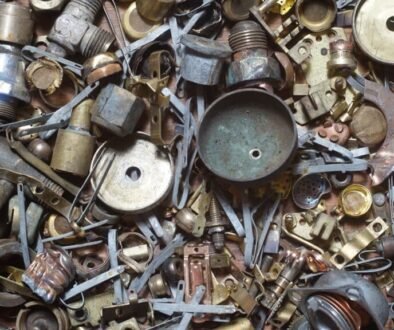
Common examples of non-ferrous metals include copper, aluminum, brass, and bronze.
Because they hold up so well against rust and are often in shorter supply, non-ferrous metals usually carry a higher value at the scrapyard.
Key Differences Between Ferrous and Non-Ferrous Metals
The easiest way to sort the two is by remembering a few simple contrasts: Ferrous metals tend to be heavier. Many non-ferrous metals are lighter. Additionally, non-ferrous metals often bring a higher price when recycled.
A quick magnet test is the fastest way to tell them apart at home. If it sticks, it’s ferrous. If it doesn’t, it’s likely non-ferrous.
Common Uses and Examples of Each
Both metal types play a huge role in daily life, though they show up in different places.
Ferrous metals are the backbone of heavy industry. You’ll find steel in skyscrapers, cast iron in old plumbing systems, and carbon steel in machinery and tools. Their strength makes them ideal for structures and equipment that need to bear weight and last for years.
Non-ferrous metals shine where flexibility, conductivity, and corrosion resistance matter most. Copper carries electricity through your home. Aluminum keeps your soda cans light and your car more fuel-efficient. Brass and bronze appear in fixtures, musical instruments, and marine parts that need to survive constant exposure to moisture.
Chances are, your home and garage hold both kinds. Old appliances, worn-out tools, spare wiring, and leftover pipes are all candidates for recycling.
Recycle Your Scrap Metal With Second Street Iron & Metal Today!
Whether you’re a homeowner clearing out the garage or a contractor managing a large job site, we’re here to help you recycle the right way. Call us today at (617) 387-1188 or visit us on our website.