Scrap metal is still a good source of money in 2026, and pretty much anyone can sell their scrap material for cash now (e.g., recyclers, people who make DIY projects, etc.). Increases in the price of materials, along with a renewed focus on the use of sustainable materials, have all contributed towards greater amounts of old scrap metal becoming available for recycling. The key to being able to successfully source scrap metal today is to first be aware of how it is disposed of, i.e., the trends, then to know how to use digital media to find it, and finally, to have a collection method that complies with the local laws and regulations.
Understanding What Qualifies as Scrap Metal
Scrap metal usually falls into two major categories, ferrous and non-ferrous. Ferrous metals, including steel and iron, are commonly seen in appliances, construction debris, and automotive parts. Non-ferrous metals include copper, aluminium, brass, and stainless steel, which are typically more valuable and appear in wiring, plumbing fixtures, electronics, and machinery.
Residential Sources That Are Often Overlooked
The majority of homeowners discard metal items when renovation takes place. Old appliances, broken lawn equipment, metal shelving, and fencing are frequently set aside for disposal. Monitoring local bulk pickup schedules and neighbourhood cleanup days can reveal valuable scrap opportunities.
Construction and Renovation Sites
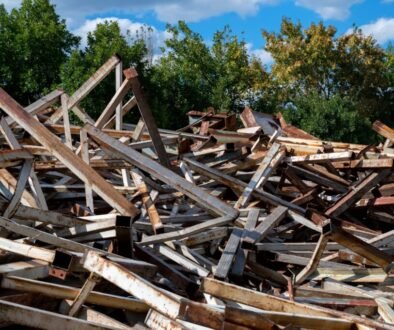
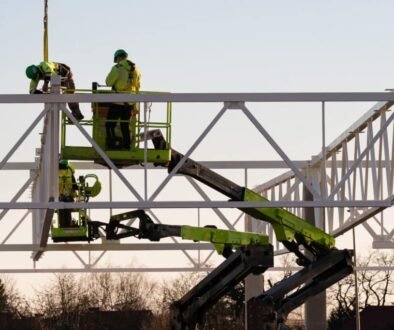
Construction zones remain one of the most reliable sources of scrap metal. Leftover rebar, sheet metal, copper piping, and steel framing are typically removed during the site cleanup. Establishing relationships with contractors or property managers can provide consistent access to scrap materials that would be discarded otherwise. Safety protocols should always be followed when operating near active sites.
Digital Platforms and Community Listings
By the year 2026, internet sites will be the main source of scrap metal in the first place. Places like community marketplaces, classified ads, and social media groups regularly display metals that can be picked up for free or for just a few dollars. Quite a number of people would rather have their items taken away quickly than sold; thus, there are chances for the scrappers who are fast to come and transport the metal easily.
Commercial and Industrial Disposal Opportunities
Businesses regularly change equipment, shelving, and machinery, generating large quantities of scrap metal. Warehouses, manufacturing facilities, and retail stores usually seek responsible disposal options. Racing out to local businesses and offering reliable pickup services can often lead to repetitive opportunities while supporting environmentally responsible waste management.
Recycling Centres and Transfer Stations
Some recycling centres provide rebate prices for their surplus stock or throwaway metals. Besides that, local transfer stations separate scrap items that have already been recycled, so going to these stations, you might discover more materials that they will not recycle.
Safety and Legal Considerations
Scrap metal collection should be done in a responsible manner. Use of protective clothing, safe handling of sharp objects, and compliance with vehicle regulations are some of the basics. You should get familiar with the local rules about the ownership of scrap, the necessity of identification, and the paperwork for resale in order to steer clear of any legal problems.
Come to Second Street Iron & Metal Today!
At Second Street, our team supports individuals and businesses by offering professional scrap removal, metal sorting, and recycling solutions that simplify the process. With expert handling and efficient logistics, Second Street helps ensure scrap metal is sourced, transported, and recycled safely while maximizing value and minimizing environmental impact. Visit our facility today by scheduling an appointment on our website or by calling us at (617) 387-1188.